Stress, Fertility & Menopause: Regulating Cortisol and Supporting Hormonal Health with Yoga
Modern life asks a lot of women. Careers, caregiving, relationships, constant connectivity — all layered on top of our natural hormonal rhythms. While short bursts of stress are part of being human, chronic stress quietly reshapes the body in profound ways — especially when it comes to fertility and the transition into menopause.
As women, our bodies are cyclical. Rhythmic. Responsive.
Yet we live in a world that rarely honours rhythm. We may smile and look like we’re coping, but quietly, beneath the surface, our hormones are responding.
At the heart of this response is one powerful stress hormone: cortisol.
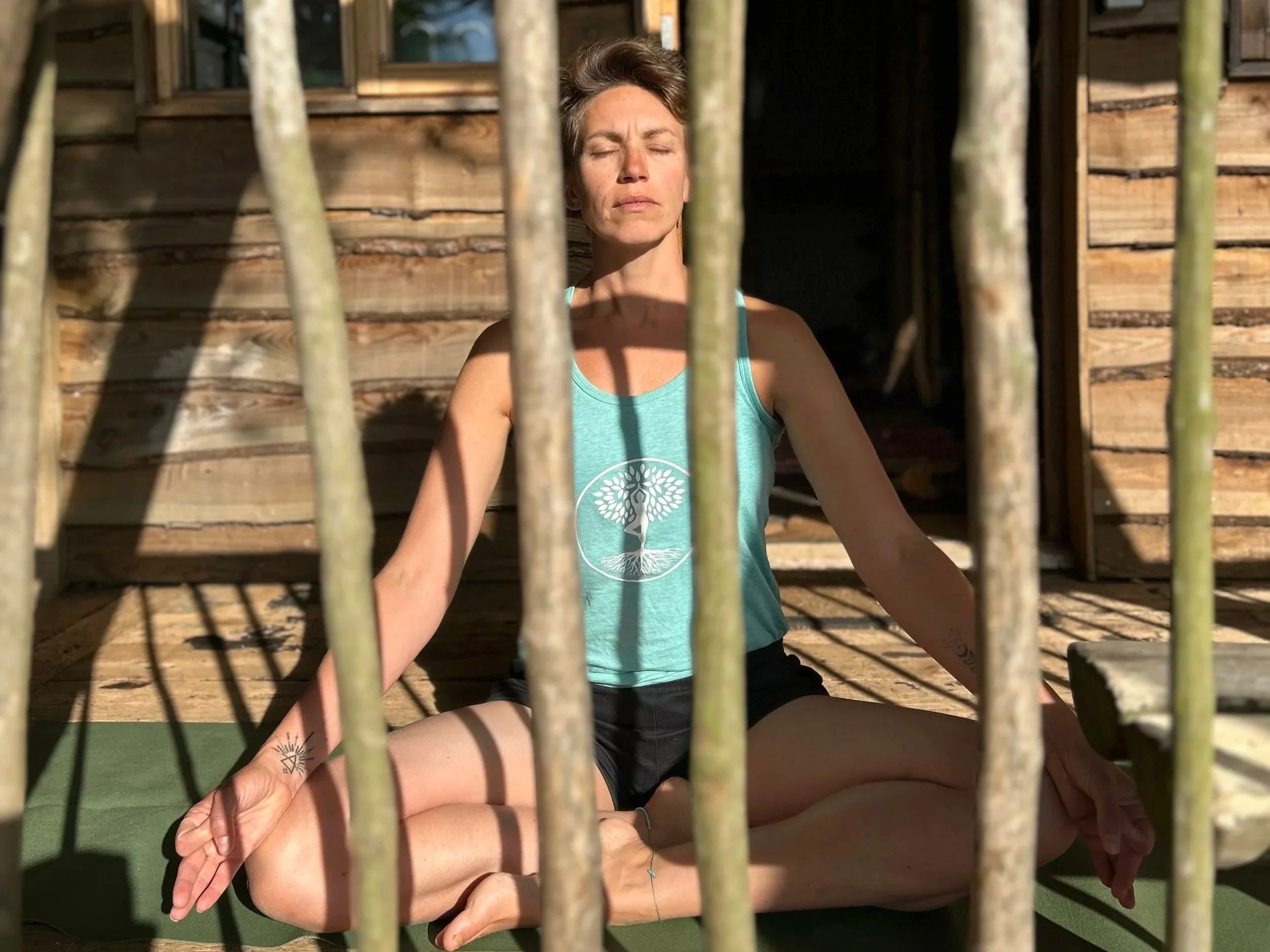
When Stress Becomes Hormonal
Cortisol is produced by the adrenal glands and helps us respond to challenge. In short bursts, it mobilises energy and sharpens focus.
But when stress becomes ongoing — emotional strain, overwork, under-rest, unresolved tension — cortisol can remain elevated. And when that happens, the body begins to prioritise survival over reproduction.
The brain and ovaries are constantly communicating through a delicate hormonal feedback loop that regulates ovulation and menstruation. Research shows that chronic stress can interrupt this conversation.
When cortisol remains high:
Ovulation can be delayed or suppressed
Progesterone levels may drop
Cycles can shorten, lengthen, or disappear
Premenstrual symptoms may intensify
Periods can become irregular
Studies have found that higher stress levels are associated with reduced chances of conception per cycle, and stress-related menstrual disruption is well documented in conditions such as hypothalamic amenorrhea.
In simple terms: when the body feels unsafe or overwhelmed, it pauses reproduction.
This isn’t dysfunction — it’s intelligence.

The Long-Term Impact of Ongoing Stress
Over time, chronic stress can affect more than just the menstrual cycle.
The adrenal glands — responsible for producing cortisol — are not designed to operate at high output indefinitely. Research shows that long-term stress can disrupt our natural cortisol rhythm, influencing sleep, blood sugar balance, mood and immune function.
Signs may include:
Feeling wired yet exhausted
Waking in the night
Energy crashes
Heightened anxiety
Difficulty concentrating
Changes in weight
All of this creates a hormonal environment that feels unsettled.
And this becomes especially significant during midlife.

Menopause: A Natural Shift in Hormonal Leadership
As we move into perimenopause and menopause, the body transitions — beautifully and sometimes turbulently — from ovarian hormone production to a broader reliance on adrenal and peripheral hormone pathways.
During our reproductive years, the ovaries are the primary producers of oestrogen and progesterone. As menopause approaches:
Ovulation becomes less consistent
Progesterone declines
Oestrogen fluctuates
Research shows that during this time, the body increasingly relies on adrenal hormones (such as DHEA) as precursors for oestrogen production in other tissues.
This creates a period of recalibration.
Symptoms marking this transition can include:
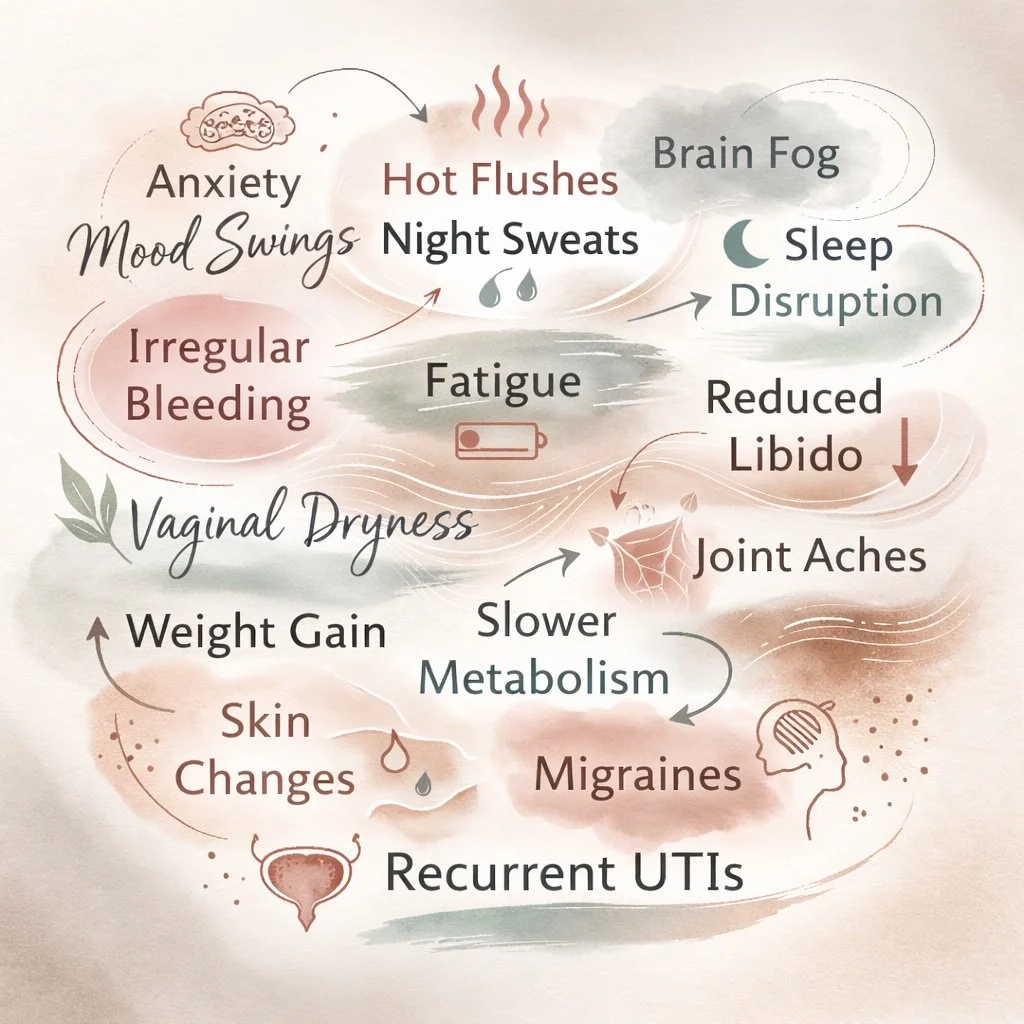
If the nervous system is already under strain from prolonged stress, these symptoms can feel amplified. The adrenal glands — already working hard — are now being asked to support this hormonal shift.
This is why building stress resilience becomes essential in midlife.
Yoga as Hormonal Medicine
Yoga offers something powerful: regulation.
Through breathwork, mindful movement and deep rest, yoga lowers cortisol levels and shifts the nervous system out of fight-or-flight and into parasympathetic calm.

Research suggests that a regular yoga practice can:
Reduce cortisol
Improve stress resilience
Support menstrual regularity
Reduce anxiety and depressive symptoms
Improve sleep
Enhance fertility outcomes
When cortisol lowers, the body feels safer. And when the body feels safe, hormone production becomes more balanced.

Yoga can support:
Healthier ovulation
More regular cycles
Reduced PMS
Improved blood flow to reproductive organs
A smoother transition through perimenopause
It doesn’t force the body.
It supports it.
Working With the Cycle, Not Against It
The menstrual cycle is not something to override.
It is a living rhythm that informs how we move, rest, create and restore.
When we attune our yoga practice to each phase of the cycle, we:
Build hormonal resilience
Support fertility
Ease peri/menopausal symptoms
Strengthen adrenal capacity
Deepen body awareness
This is about remembering our rhythm.

🌿 Begin the Journey
You don’t need to navigate this alone.
If you’re ready to work with your hormones rather than against them, this is an invitation to be supported — in practice, in knowledge, and in community.
The Yoga Rewild Cycle Course begins on 12th March at the Bristol Goddess Temple — guiding you through cycle-aligned practices to regulate stress, honour each phase of the menstrual cycle, and build adrenal resilience as you prepare for or transition through menopause.
If you are specifically wanting to support conception, join the Nourish Fertility Workshop on 14th March at WildBox Yoga Studio in south Bristol, where we will focus on practices designed to calm cortisol, regulate cycles and gently prepare the body for pregnancy, held in a nurturing and understanding space.
Your body is rhythmic.
It is responsive.
When we cultivate safety within and connection around us, the nervous system begins to ground — and hormonal balance can follow.